

Pemberley Pavers 6" x 6 3/4" x 1 3/4" Hex in Pumice.
Travertine Stain Removal: How to Treat Every Stain Safely
Step One: Identify What You're Looking At
Before reaching for a cleaner, pause for a moment. One of the most common mistakes in travertine stain removal is treating a stain before identifying it. The wrong product can set a stain deeper into the stone, damage the sealer, or even etch the surface. Travertine responds differently to different types of stains, so spending 60 seconds identifying what you're looking at makes every step that follows faster, safer, and more effective. Most stains fall into one of four categories.


Organic Stains: Leaves, Tannins, Pollen, and Mildew
Organic stains typically appear as brown, tan, or olive-toned discoloration. They may resemble the outline of a fallen leaf, form irregular patches, or develop a faint yellow-green cast in damp conditions.
One of the most common concerns homeowners encounter when researching how to remove leaf stains from travertine is tannin staining. When wet leaves remain on travertine overnight—or longer—they release natural tannins that can penetrate the stone, particularly on shaded patios, garden paths, and pool surrounds where moisture evaporates slowly.
Mildew behaves differently. Rather than creating a crisp outline, it usually appears as a darker, diffuse discoloration in areas that remain consistently damp, such as beneath planters, along shaded retaining walls, or on steps that receive little direct sunlight. While mildew may resemble a stain at first glance, it is biological growth rather than discoloration within the stone itself.
Oil-Based Stains: Sunscreen, Cooking Oils, and Grease
Oil stains usually appear as darker patches that seem slightly translucent or damp, even after the surface has dried. If wiped instead of blotted, they often spread outward rather than disappear.
Around a travertine pool deck or outdoor kitchens, sunscreen is one of the most overlooked sources of staining. Oils from lotions, along with cooking grease and food spills, can quickly soak into unsealed or lightly sealed travertine, making oil stains on travertine tile particularly common in outdoor entertaining spaces.
The good news is that fresh oil stains are often easier to remove than they look. Blotting immediately—rather than rubbing—can significantly reduce how deeply the oil penetrates the stone.
Rust Stains: Planter Rings, Metal Furniture, and Irrigation Hardware
Rust stains are usually easy to recognize. They appear as orange, reddish-brown, or rust-colored rings, streaks, or spots, often tracing the outline of a planter, furniture leg, decorative object, or metal fixture.
If you discover rust stains on travertine, there's reassuring news: the stain almost always comes from a metal object resting on the surface, such as furniture on outdoor travertine patios, not from the travertine itself. In most cases, the discoloration is treatable with the appropriate stone-safe approach.
Less obvious sources include irrigation hardware, outdoor faucets with slow drips, metal table bases, and even galvanized fasteners that remain wet over long periods. Identifying the source is just as important as removing the stain—otherwise it will likely return.
Mineral Deposits and Hard Water Stains
Mineral deposits typically appear as chalky white, pale gray, or cloudy patches on the surface of the stone. They're most common around pools, fountains, outdoor showers, or anywhere hard-water irrigation regularly sprays the paving.
This is also the point where many homeowners confuse a removable deposit with permanent damage. Mineral buildup sits on top of the travertine and can often be safely removed with the proper cleaning methods. Etching, by contrast, occurs when acidic substances chemically react with the stone itself, leaving behind a dull or rough area that cleaning products cannot restore.
That distinction matters. Mineral deposits are generally a cleaning issue. Etching is surface damage that typically requires professional refinishing to fully correct. Recognizing which one you're dealing with before you begin treatment is one of the most important decisions you'll make in protecting your travertine.
Tools and Cleaners That Play Nicely With Travertine
Having the right supplies on hand makes stain removal far less stressful. Rather than assembling an extensive cleaning kit, focus on a handful of products that are safe for natural stone and versatile enough to handle most everyday situations. A small amount of preparation now can help you respond quickly the next time a spill or stain appears.
A practical travertine care kit includes:
- A soft-bristle brush for gently loosening dirt and surface buildup without scratching the stone.
- Microfiber cloths for blotting spills and drying surfaces without leaving lint behind.
- A pH-neutral stone cleaner for routine cleaning and most day-to-day maintenance. This should be your first choice before reaching for stronger treatments.
- Baking soda for creating poultices that help draw oil-based stains out of the stone.
- 3% hydrogen peroxide for treating many organic stains, such as leaf tannins or mildew discoloration, when appropriate for the situation.
- Plastic wrap to cover poultices, slowing evaporation so they have time to pull stains from the stone rather than simply drying on the surface.
Just as important is knowing what not to use. Some common household cleaners can permanently damage travertine, even if they work well on other hard surfaces.
Avoid:
- Vinegar, lemon juice, and other citrus-based cleaners. Their acidity reacts with the calcium carbonate in travertine, causing etching rather than cleaning.
- Bleach and ammonia. These harsh chemicals can discolor the stone, degrade sealers, and weaken the surface over time.
- Abrasive scrubbing pads or steel wool. While tempting for stubborn stains, they can scratch the finish and leave the surface looking uneven.
- High-pressure washing above approximately 800 PSI, or using a pressure washer too close to the surface. Excessive pressure can force water and contaminants deeper into the stone's natural pores while gradually wearing away grout and sealers.
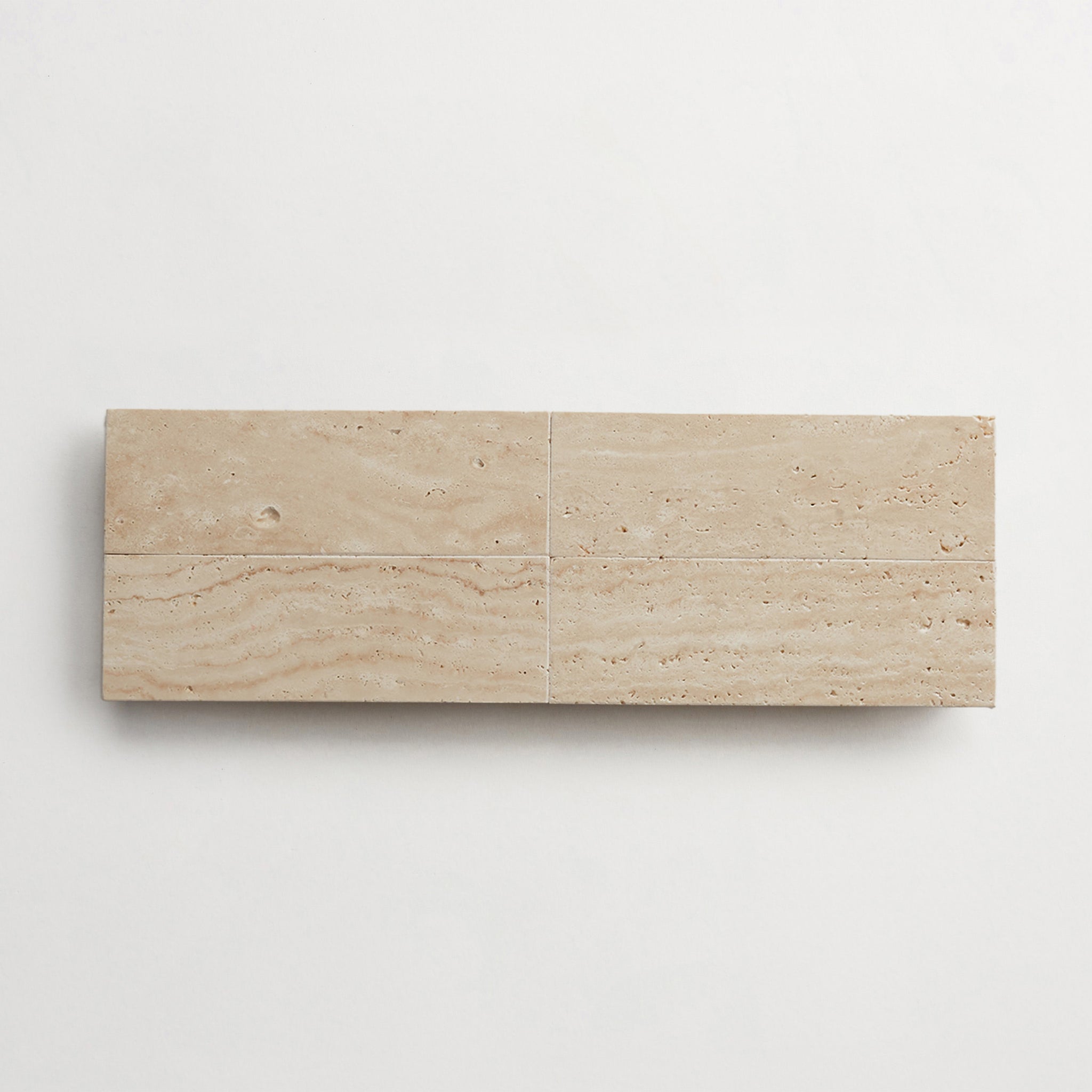
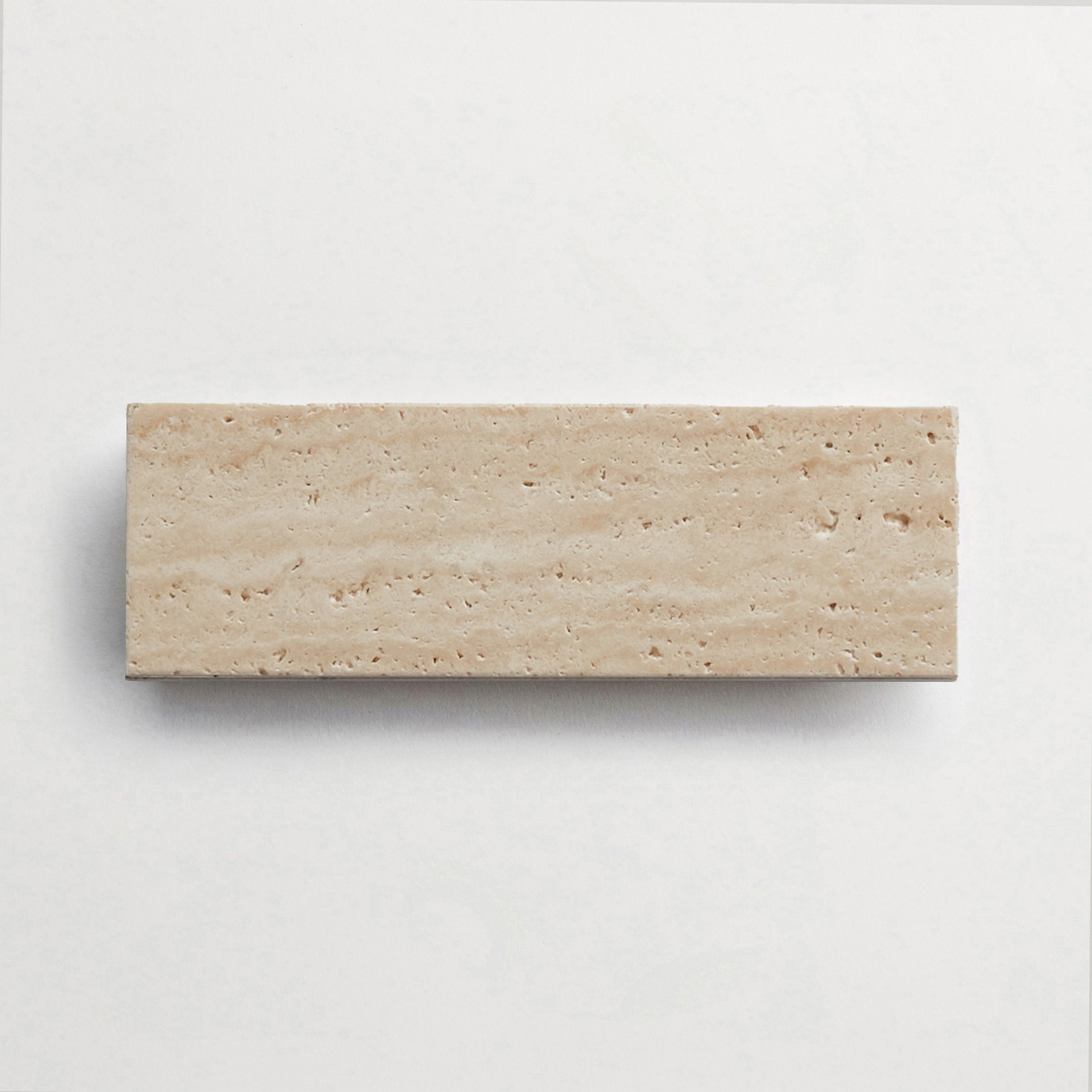
One additional consideration is finish type. OUTERclé's Lapidary and Pemberley Pavers collections celebrate the natural variation that makes travertine so distinctive, including subtle differences in porosity from piece to piece. In general, honed surfaces may absorb spills slightly more quickly than tumbled finishes, making proper sealing—and maintaining that sealer over time—an important part of long-term care regardless of which finish you choose.

Can You Fix This Yourself, or Is It Time to Call a Pro?
The good news: many travertine stains can be handled successfully at home. If the stain is relatively fresh, the stone is properly sealed, and you take a patient approach, DIY treatment is often the right place to start. The goal is not to attack the stain as aggressively as possible—it is to remove it without creating a new problem.
Professional help is not a last resort. It is simply the right tool for situations where the stain has moved beyond surface cleaning or where restoring the original finish requires specialized equipment and experience.
Stains You Can Likely Handle at Home
Most homeowners can confidently treat common stains when they catch them early. This includes fresh organic staining from leaves, pollen, and mildew; light oil or grease stains on sealed travertine; surface-level mineral buildup; and rust staining that has not had time to deeply penetrate the stone.
For outdoor surfaces, knowing how to remove stains from travertine pavers often comes down to timing. A leaf stain that is addressed shortly after it appears is a very different situation from one that has remained through multiple wet and dry cycles. The same is true for sunscreen, cooking oils, and other organic materials that can absorb into unsealed stone.
When treating travertine, patience is usually more effective than force. Gentle cleaning methods and repeat applications will almost always outperform aggressive scrubbing or harsh chemicals, which can damage the finish while leaving the original stain unresolved.
When Professional Help Is the Right Call
There are situations where bringing in a specialist is the smartest way to protect your travertine. Consider professional restoration if:
- The stain has penetrated deeply because the stone was unsealed or treatment was significantly delayed.
- Etching has affected a large area and the surface no longer responds to cleaning.
- Rust has spread extensively or remains after using a stone-safe rust treatment.
- You have tried two or three careful DIY treatments with little or no improvement.
- The stain is affecting a high-value installation where maintaining the original finish is a priority.
Professional stone restorers have access to specialized poultice formulations, honing compounds, and restoration equipment that go beyond what is available to most homeowners. They can also determine whether the issue is truly a stain or something deeper, such as etching, surface wear, or finish damage.
If you do need help, look specifically for a natural stone restoration specialist rather than a general tile contractor. Travertine requires an understanding of how porous stone, finishes, sealers, and restoration techniques interact. The right professional will focus not just on removing the discoloration, but on preserving the character and integrity of the stone itself.
How to Treat Each Stain Type
Before treating any travertine stain, start with a few simple rules that protect the stone while giving your cleaning method the best chance of working. Always blot rather than wipe when dealing with fresh spills, since wiping can spread oils and pigments across the surface. Test any product in a hidden area first, avoid anything acidic, and remember that gentle, repeated treatments are almost always safer and more effective than aggressive scrubbing.
Treating Organic Stains: Leaves, Tannins, and Mildew
Organic stains from leaves, pollen, and mildew are among the most common issues homeowners encounter with outdoor travertine. If you're researching how to remove leaf stains from travertine, the first step is to use the mildest treatment that can lift the discoloration without disturbing the stone or sealer.
Start by creating a simple paste with baking soda and water. Apply the mixture directly to the stained area and allow it to sit for approximately 15 to 20 minutes. Then, gently work the area with a soft-bristle brush before rinsing thoroughly with clean water.
For stains that remain after the baking soda treatment, a diluted application of 3% hydrogen peroxide can be the next step. This is the same concentration commonly available at pharmacies and is appropriate for many organic stains when used carefully.
Hydrogen peroxide works because it helps break down organic discoloration from materials like leaves, tannins, and mildew. It is not a universal stain remover—it will not address rust or mineral buildup, and using the wrong treatment for the stain type can waste time or create unnecessary risk.
Treating Oil-Based Stains: Sunscreen, Grease, and Cooking Oils
Oil-based stains require a different approach because the goal is not simply to clean the surface—it is to draw the oil back out of the stone's pores. This is where a poultice treatment can be especially effective for oil stains on travertine tile.
To create a basic poultice:
- Mix baking soda with water until it reaches a thick, peanut-butter-like consistency.
- Spread a generous layer over the stained area.
- Cover the poultice with plastic wrap and tape down the edges to slow drying.
- Leave it in place overnight.
- Remove the dried paste, gently clean the area with a soft brush, and rinse thoroughly.
As the poultice dries, it draws the oil up and out of the travertine's natural pores rather than simply removing the surface residue. This process may need to be repeated for stains that sat for several hours—or longer—before treatment began.
The key is resisting the urge to scrub harder when the stain does not disappear immediately. Deep oil absorption often requires time, not stronger chemicals.
Treating Rust Stains
Rust stains can be frustrating, especially when they appear on otherwise pristine travertine patios, pool decks, or pavers. The first step is determining how extensive the staining is.
For light or recently developed rust marks, a baking soda and water paste may help reduce the discoloration. For more persistent rust, use a stone-safe, non-acidic rust remover specifically labeled for natural stone. Always check the product label for both of these terms: “safe for natural stone” and “non-acidic.”
Avoid the temptation to use common household rust treatments like vinegar or lemon juice. These acidic solutions can react with the calcium carbonate in travertine, causing etching that cannot be reversed through cleaning.
If rust has spread extensively or does not respond to a stone-safe treatment, it is time to stop escalating the chemistry and consult a professional. A natural stone restoration specialist can determine whether the stain can be removed without damaging the finish.
Treating Mineral Deposits and Hard Water Buildup
Mineral deposits from pool water, fountains, or irrigation spray are one of the most commonly misunderstood travertine issues. The first question is whether you're dealing with buildup sitting on top of the stone—or etching that has altered the surface itself.
For surface-level mineral deposits, begin with a soft cloth and a pH-neutral stone cleaner. Apply the cleaner with gentle circular pressure and allow time for repeated treatments to work. Several light applications over a few days are often more effective than one aggressive cleaning session.
If the chalky or dull area does not improve after careful cleaning, the issue may not be mineral buildup at all. Etching creates a change in the stone's surface texture and appearance, and no cleaner or travertine stain remover can restore it.
At that point, a professional stone restoration specialist is the appropriate next step. They can evaluate whether honing or refinishing is needed to bring back the intended finish without compromising the character of the travertine.
Will Hydrogen Peroxide Damage Travertine?
When used correctly, hydrogen peroxide is a safe and effective option for treating certain travertine stains—especially organic discoloration from leaves, tannins, and mildew. The key is using the right concentration and applying it only where it makes sense. Hydrogen peroxide is a targeted treatment, not a universal cleaner for every type of stain.
For travertine, stick to 3% hydrogen peroxide, the standard concentration available at most pharmacies. Higher concentrations are unnecessary and can be too aggressive for natural stone. Before applying it to a visible area, always test it in a small, inconspicuous spot first to confirm that it does not affect the stone or sealer.
It is also important to match the treatment to the stain. Hydrogen peroxide works on organic materials because it helps break down plant-based and biological discoloration. It is not effective for rust stains or mineral deposits, and it should not replace a stone-safe rust remover or mineral buildup treatment.
When using hydrogen peroxide on travertine, apply it carefully, allow it to work for the recommended amount of time, and rinse the area thoroughly afterward. Used with restraint, it can be a valuable tool for restoring the appearance of travertine without compromising the stone’s natural character.
How to Prevent Stains Before They Start
The easiest stain to remove is the one that never has a chance to set. With a few consistent habits, most of the situations covered in this guide become uncommon, and caring for travertine becomes less about stain removal and more about preserving the material's natural beauty.
Act Immediately When Spills Happen
When something spills, timing matters more than perfection. Blot the spill—never wipe it. Blotting lifts liquid away from the surface, while wiping can spread oils, pigments, or contaminants over a larger area.
The same principle applies outdoors. Sweep away leaves, pollen, and other organic debris before they remain on the stone overnight, especially after rain or irrigation. Travertine's natural porosity allows liquids and organic compounds to migrate deeper into the stone the longer they remain in contact with the surface, which is why a quick response is often more important than the specific cleaning product you choose.
Keep a Simple Routine
Regular sweeping, occasional rinsing with a garden hose, and periodic cleaning with a pH-neutral stone cleaner go a long way toward keeping travertine looking its best. Removing dirt before it accumulates reduces the likelihood that moisture, oils, or organic matter will settle into the stone over time.
A consistent, uncomplicated routine is far more effective than infrequent deep cleaning after problems have developed.
Seal Your Travertine Every One to Two Years
Sealing is one of the most valuable investments you can make in the long-term performance of travertine. Rather than forming an obvious coating, a quality sealer creates a protective barrier within the stone's pores, slowing the absorption of water, oils, and staining agents while allowing the travertine to retain its natural appearance.
Not all sealers work the same way. Topical sealers sit on the surface and can alter the sheen or appearance of the stone over time. Penetrating (or impregnating) sealers work below the surface, protecting the stone from within while preserving its original finish. For most outdoor travertine applications, penetrating sealers are generally the preferred choice because they maintain the material's natural character while providing durable protection.
As a general guideline, plan to reseal outdoor travertine every one to two years, adjusting the schedule based on foot traffic, weather exposure, and how heavily the surface is used. A well-sealed patio or pool deck won't prevent every stain, but it will make every stain-removal method in this guide faster, easier, and more successful.
Think About Placement and Furniture Choices
Many stains begin long before anyone reaches for a cleaner. Small adjustments to how you use the space can prevent some of the most common outdoor staining problems altogether.
Place felt or rubber pads beneath metal furniture legs and planter bases to help prevent rust rings from developing after rain or irrigation. If you use terra cotta pots, move them occasionally so moisture doesn't remain trapped beneath them for extended periods, where it can encourage organic staining or mildew.
Around pools, a simple rinse before stepping onto the travertine can also help reduce sunscreen buildup, one of the most common sources of oil stains on travertine tile. These small habits require very little effort, but together they significantly reduce the likelihood that you'll need to tackle stubborn stains later.
Great Stone Takes Care of Itself, With a Little Help
Travertine has endured for centuries because it rewards thoughtful care rather than constant attention. Cleaned gently, sealed periodically, and allowed to develop its natural patina, it gains a quiet, lived-in character that only becomes more beautiful with time.
If you're planning your next outdoor project or looking for expertly crafted natural stone, explore OUTERclé's Pemberley Pavers collection and Lapidary travertine tile to find travertine designed to age gracefully for decades.
Colorway
-
Beige Travertine
Collection
-
lapidary
Material
Length
-
4
" x
Width
-
4
" x
Thickness
-
¼
"
Unit of Measurement
-
sqft
/
Price per Unit
$
Colorway
-
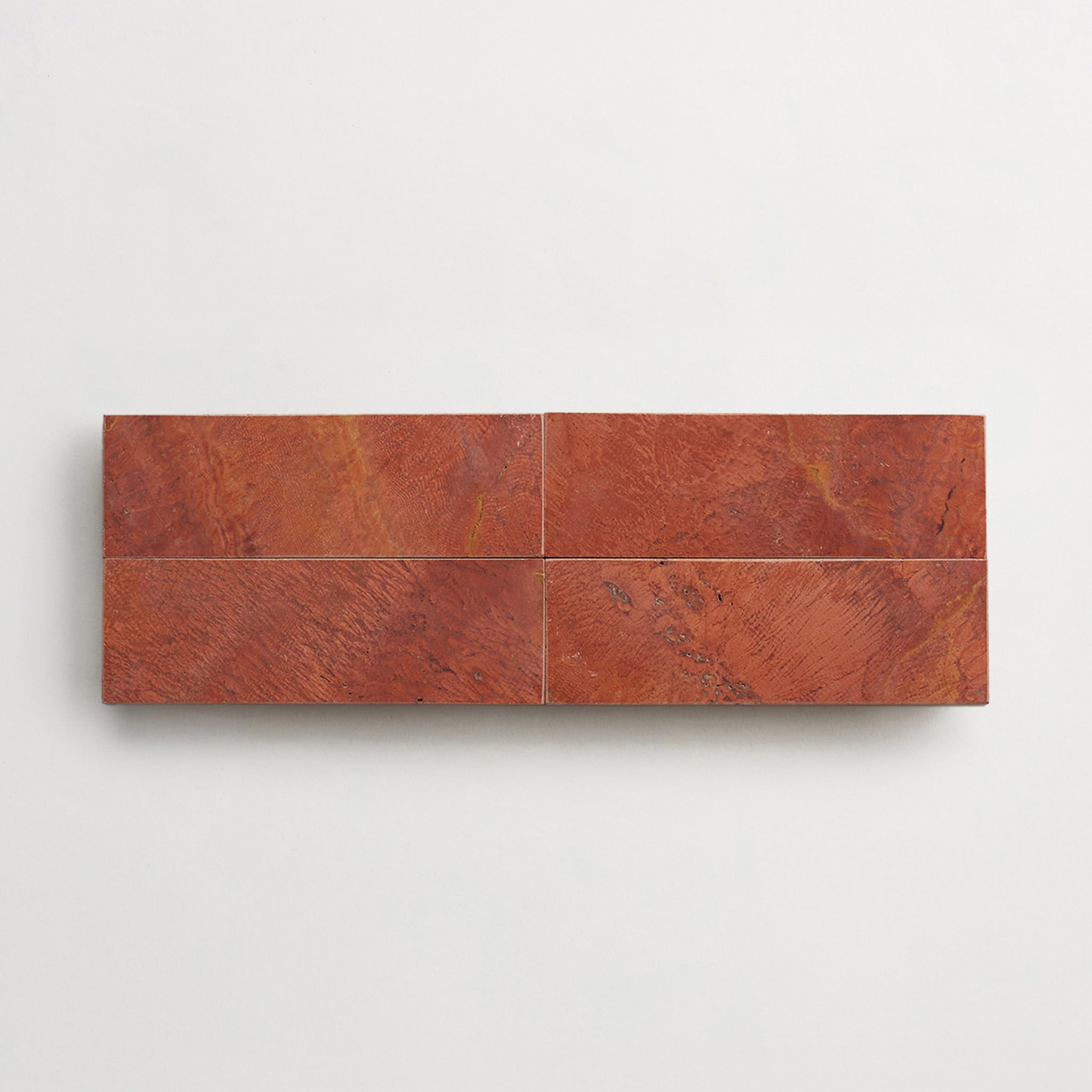
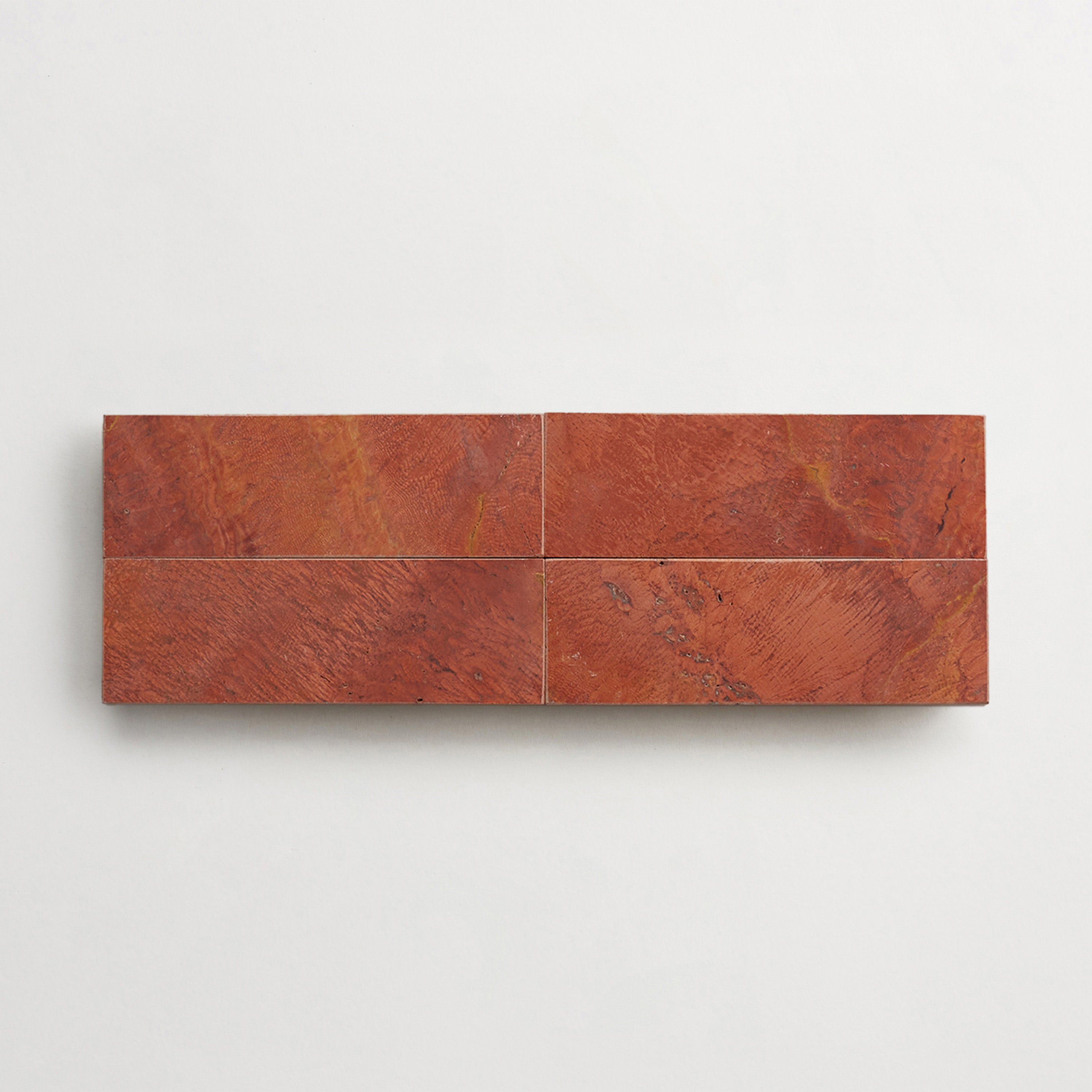
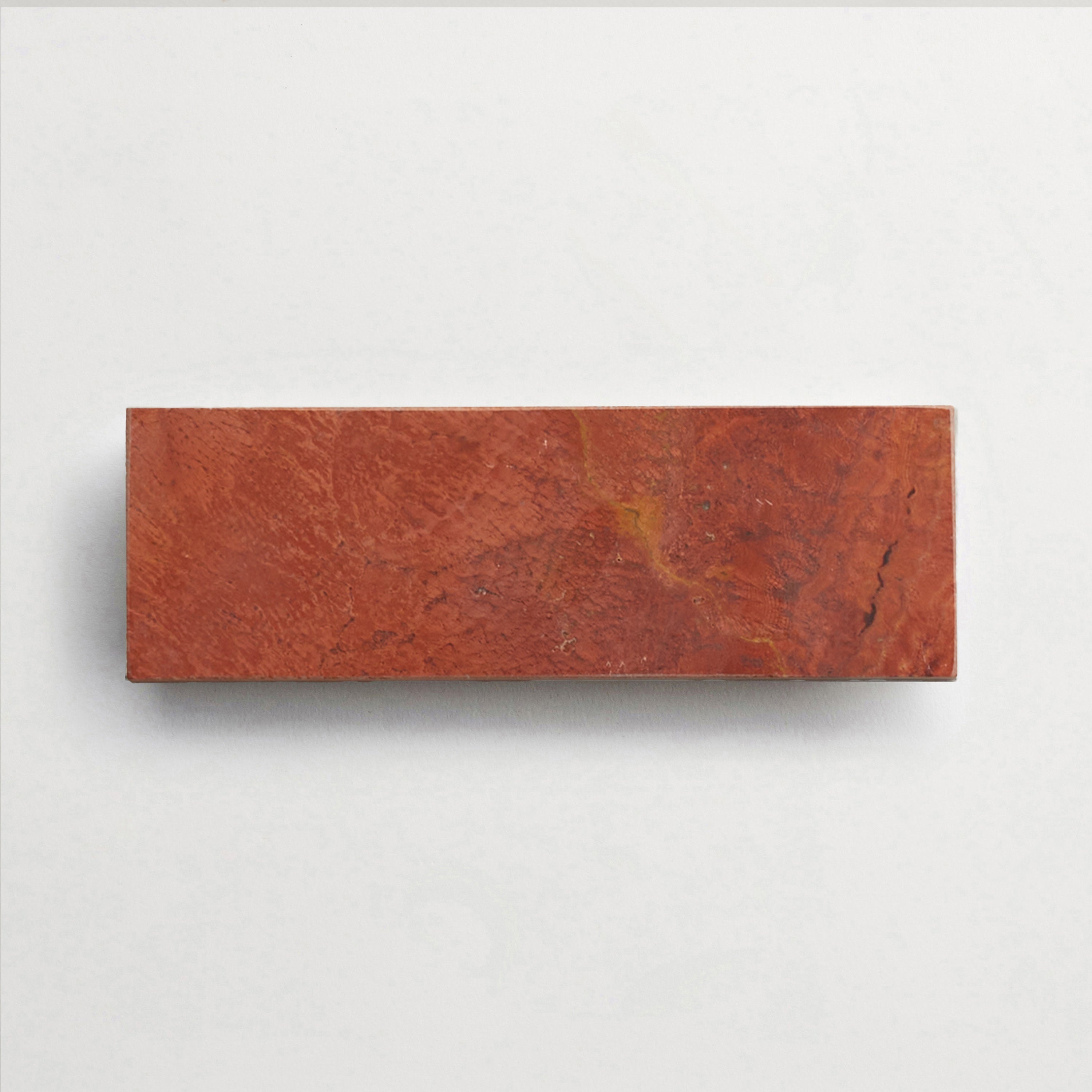
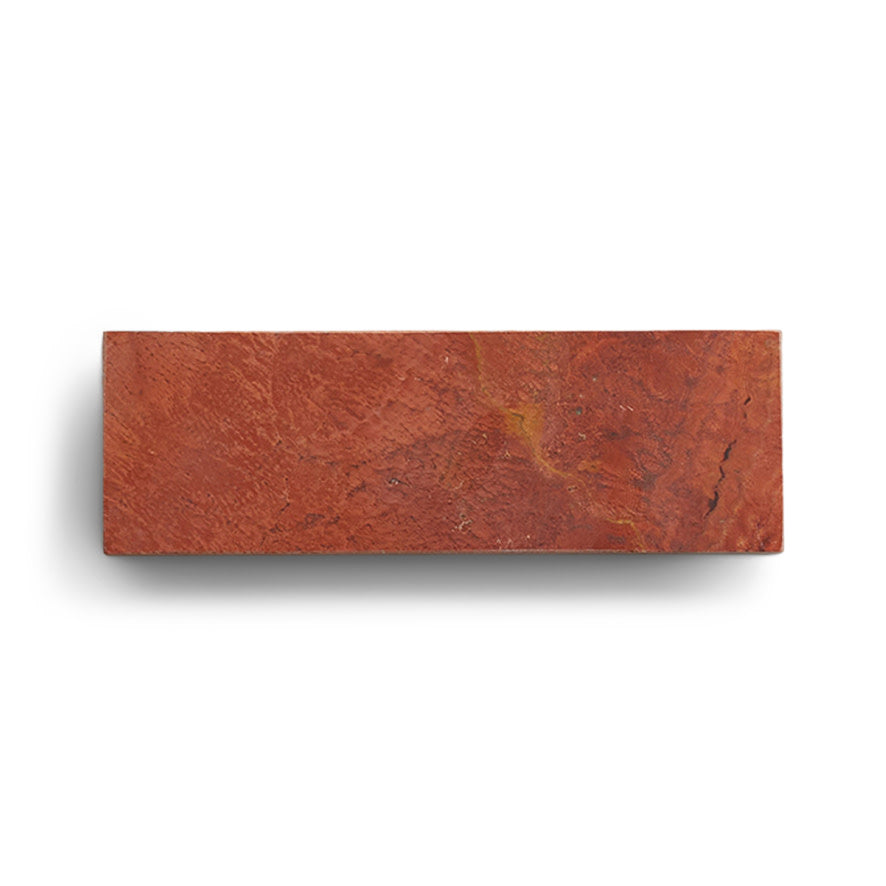
Red Travertine
Collection
-
lapidary
Material
Length
-
8
" x
Width
-
8
" x
Thickness
-
⅞
"
Unit of Measurement
-
sqft
/
Price per Unit
$
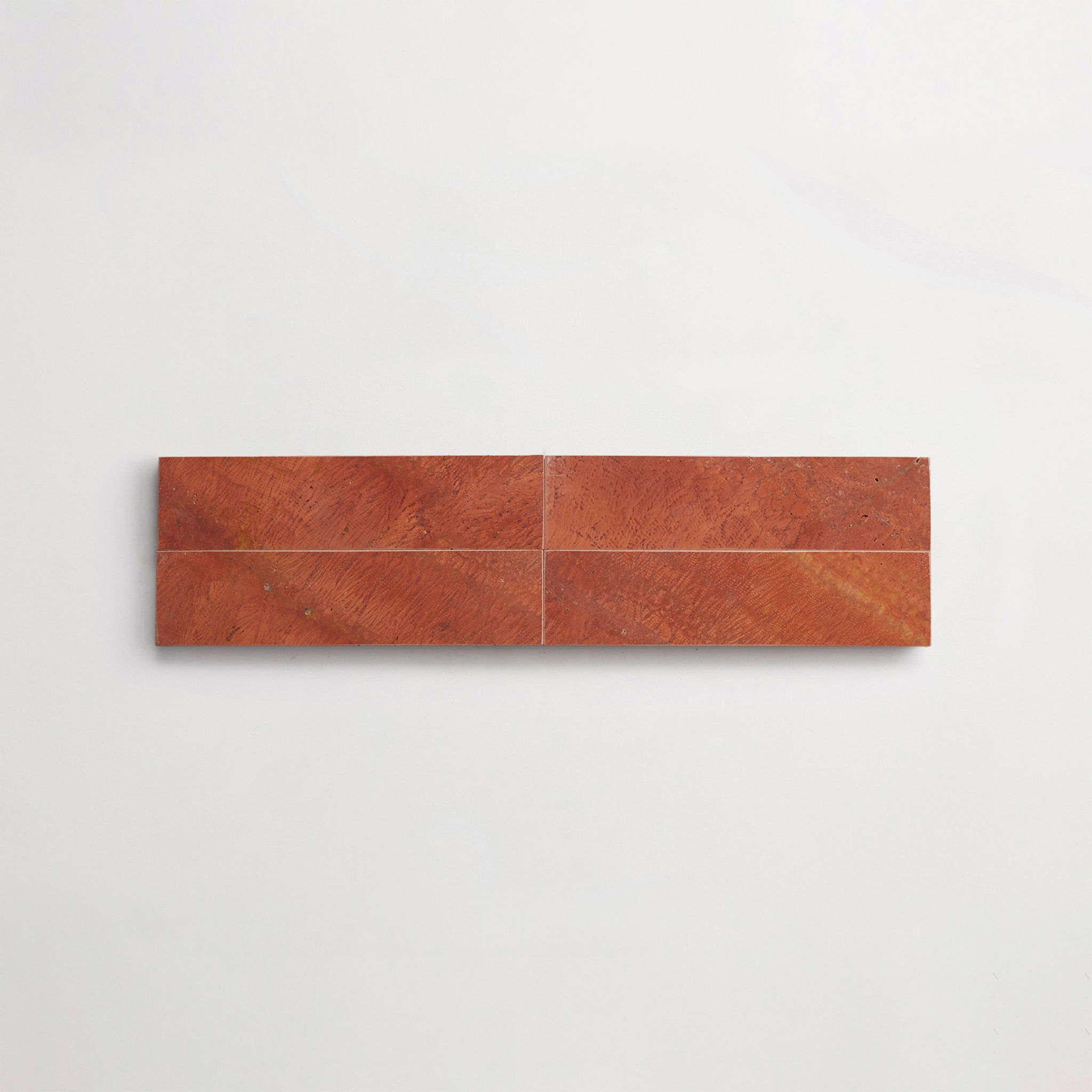
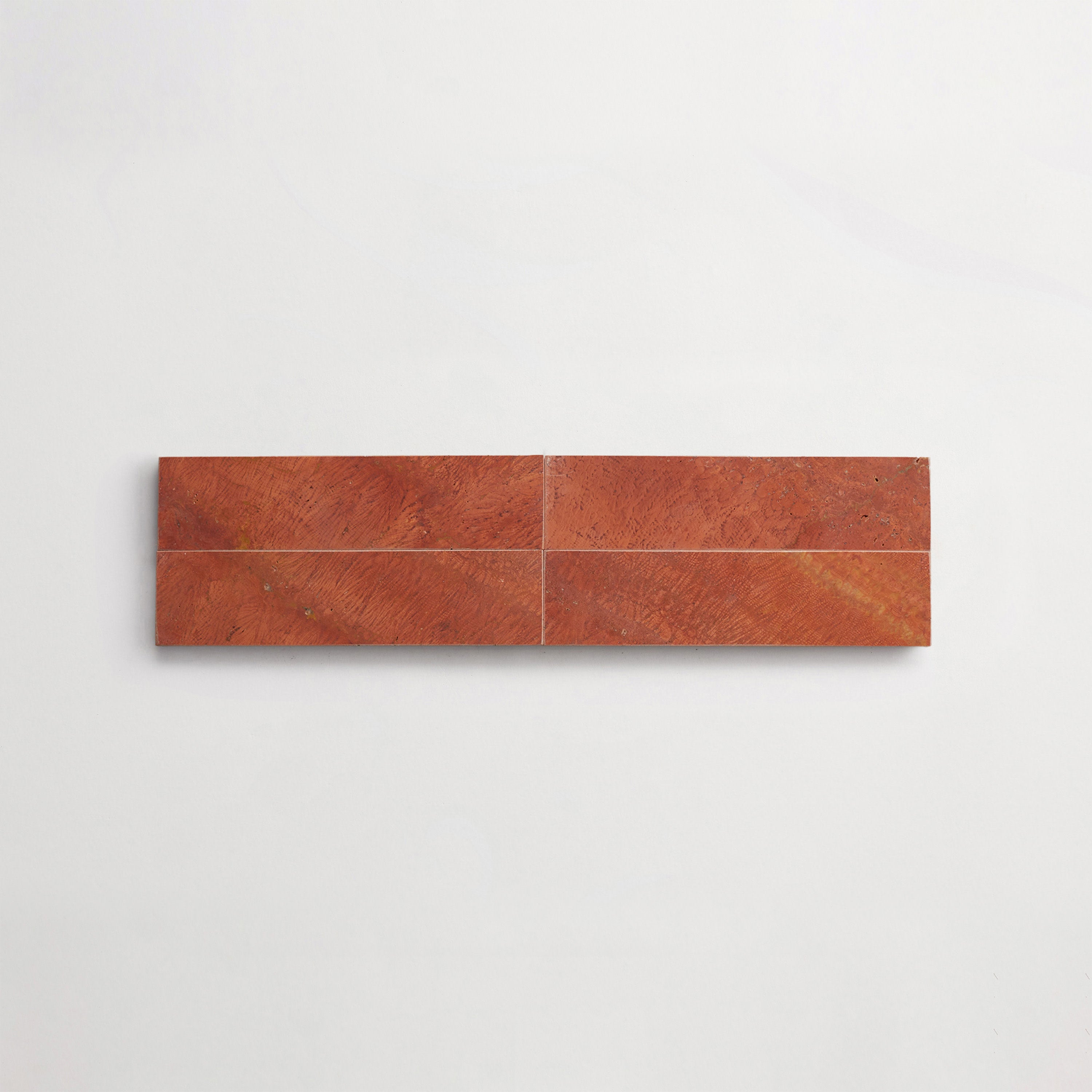
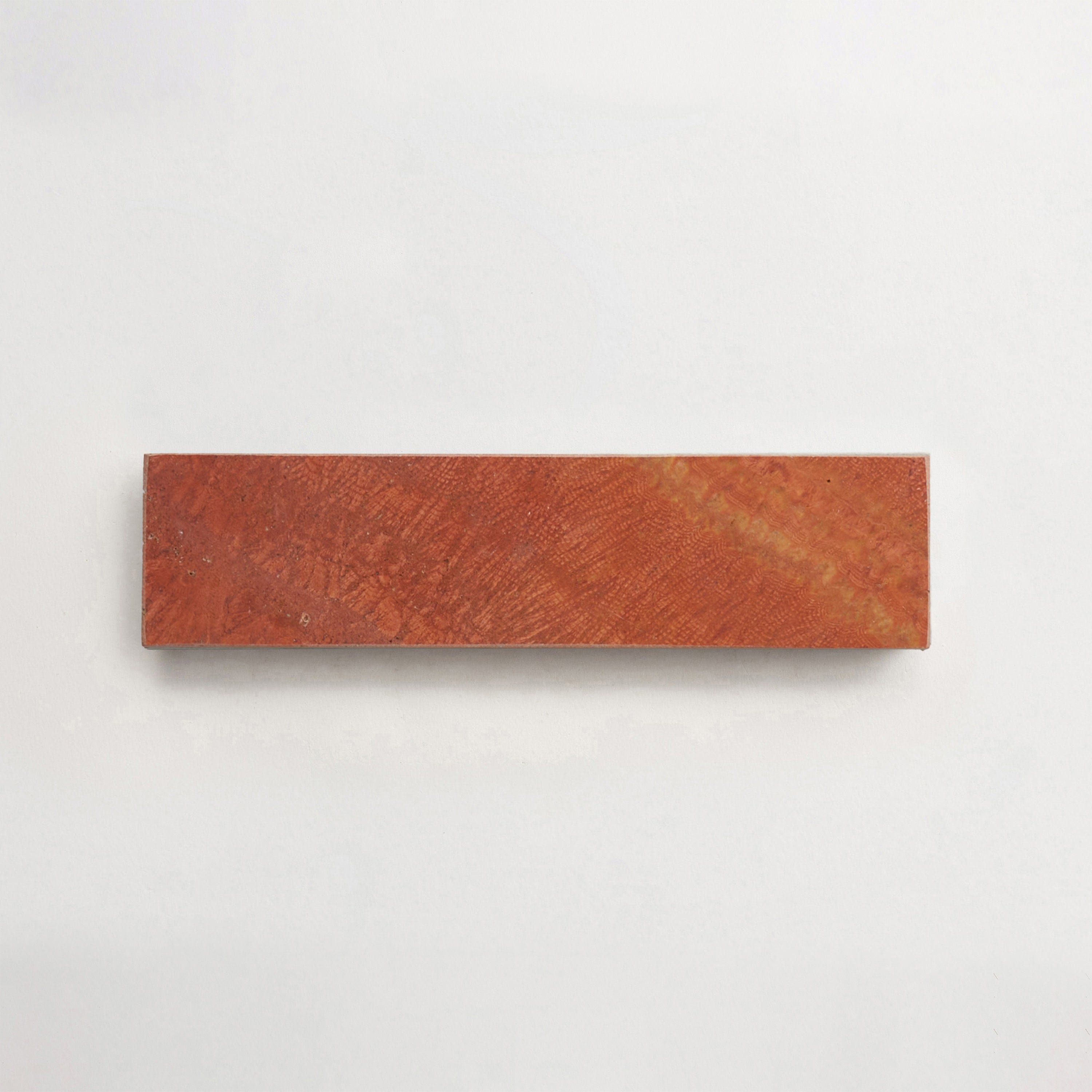
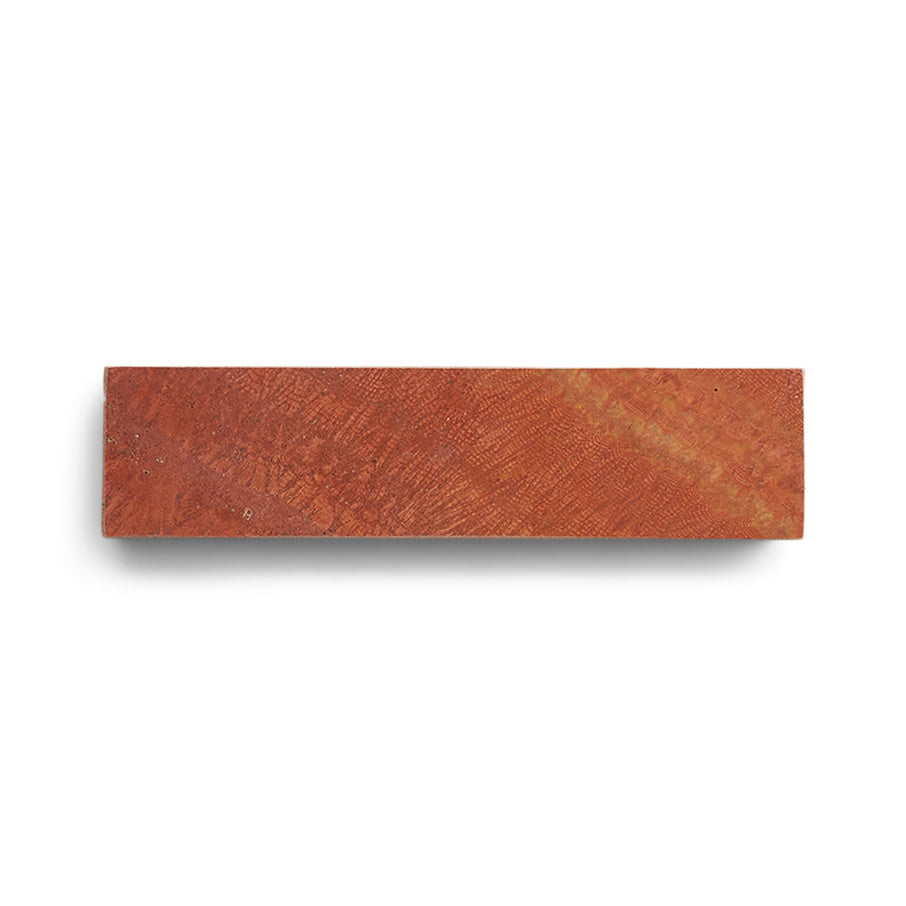
Colorway
-
Red Travertine
Collection
-
lapidary
Material
Length
-
4
" x
Width
-
16
" x
Thickness
-
¾
"
Unit of Measurement
-
sqft
/
Price per Unit
$